An Interview With Elizabeth Jaime
“I made it a point to create things that I was not used to seeing here in Miami.”
Written by: Charlotte Green & London Green
Introduction:
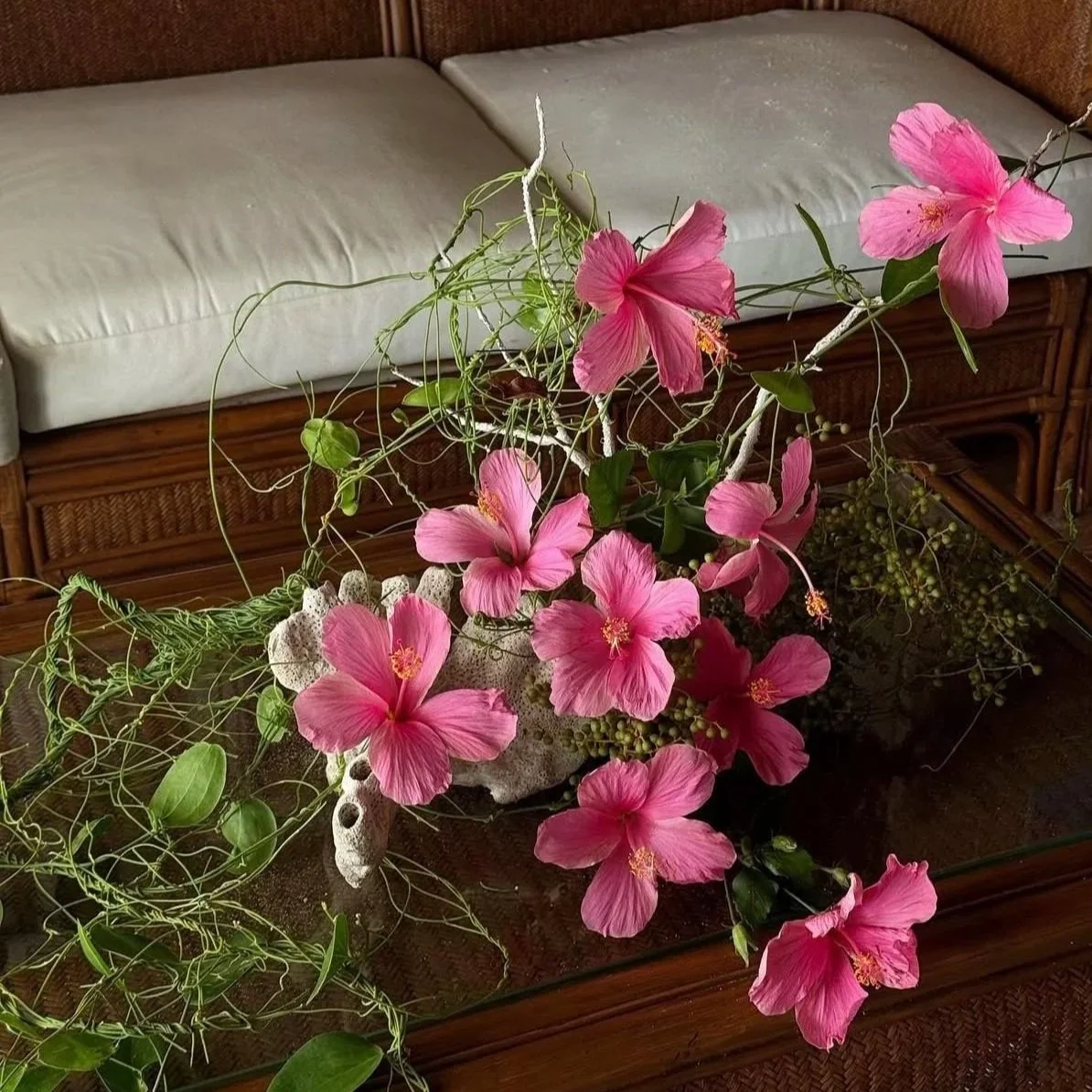
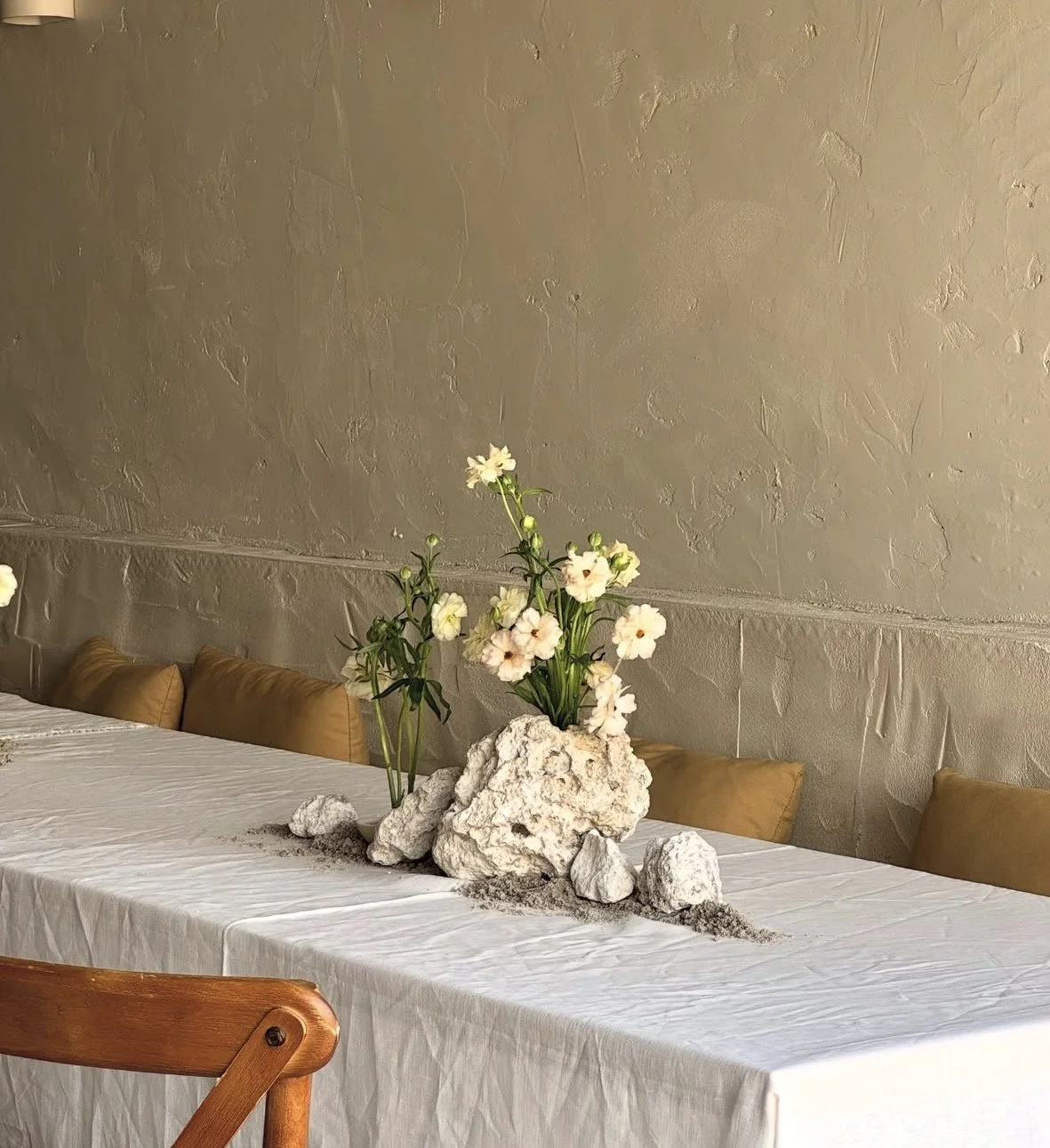
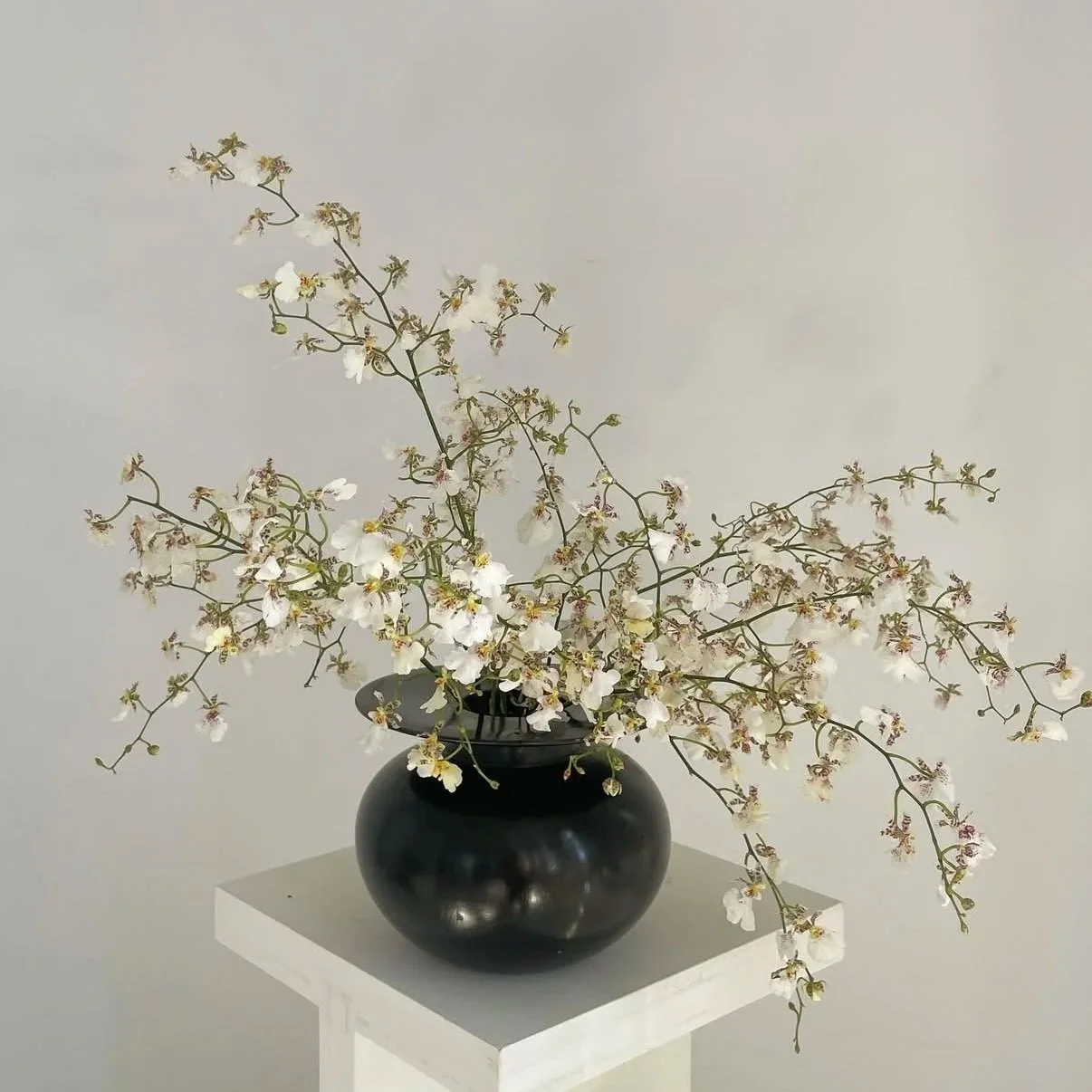
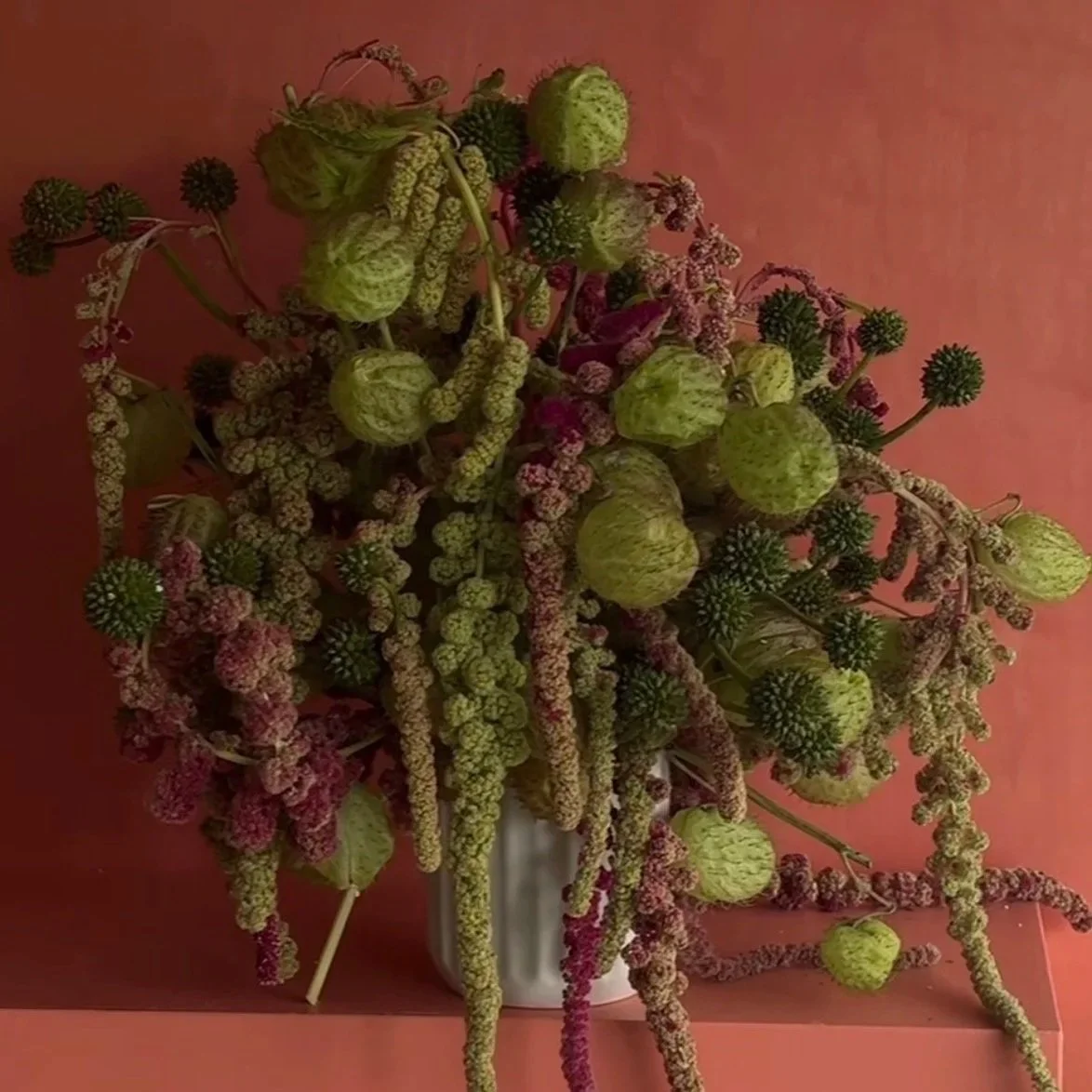
Elizabeth Jaime did not grow up with the goal of becoming a florist. Flowers entered her life gradually, before becoming the center of it. Based in Miami, she is the founder of Calma Floral, a studio known for curated arrangements that are a form of art. Her work doesn’t resemble the typical bouquets you might expect from a traditional flower shop. Instead, her bouquets visually create stories.
I first encountered Calma Floral on Instagram. Her arrangements felt intentional in a way that immediately stood out: unusual shapes, colors, and an avant-garde approach to floral arrangements. I wanted to understand how someone builds a successful business around something so specific and niche. Speaking with Elizabeth revealed a path shaped less by certainty and more by persistence, instinct, and a willingness to learn from others.
Her story isn’t about overnight success. It’s about experimenting, burning out, and continuing anyway, a process that feels especially relevant for anyone trying to build something of their own.
Since Childhood:
Although flowers define Elizabeth’s work now, floristry wasn’t something she envisioned herself doing as a child. Her interest originated in an attraction to flowers rather than a career path. Flowers were always around her, something she gravitated toward instinctively, long before they became her profession.
“I’ve always loved flowers,” she told me. “I just wasn’t a florist until six years ago.”
Many young creatives feel pressure to have a singular, direct calling early in life. Elizabeth’s path suggests that you don’t need this, as eventually you will be guided to where you are meant to be. Her career pivot also reminds me that your niche can be found in something you gravitated towards as a child, even if you never expected to take it far.
Exploration as Groundwork:
Her early twenties were defined by exploration. She started a blog at eighteen and worked a wide variety of jobs while trying to understand what fit her best.
“I’ve had so many different and random jobs,” she said. “I was just trying things and hoping it would eventually lead to doing my own thing.”
What stands out to me is her patience with that process. She wasn’t rushing toward anything. She was collecting experience. For young people who feel behind because they haven’t found their path yet, her story reframes experimentation as necessary groundwork rather than wasted time.
At twenty-eight, she moved from New York back to Miami, a decision that felt uncertain at the time. She had built a career at Bon Appétit Magazine and didn’t know what her next step would be. That jump, though unplanned, created the space for Calma Floral to exist.
“If I hadn’t moved,” she reflected, “Calma wouldn’t be what it is today.”
Creating What Didn’t Exist Yet:
Elizabeth’s signature style came from noticing absence. While living in New York, she admired florists who were pushing arrangements into a niche, more expressive territory. When she returned to Miami, she realized that the curated florals she had seen weren’t widely present.
“I wanted to be the person doing cooler, more weird flowers down here,” she said.
Rather than adapting to what already existed, she created what she wanted to see and what she felt was lacking. For anyone starting a business, that instinct, filling a gap instead of competing inside a crowd, becomes a quiet advantage.
Even the name Calma Floral came from instinct. She chose it quickly while making an Instagram account, assuming she could change it later. She never did.
“I don’t love overthinking things,” she admitted. “Sometimes you just have to say this is what it is and roll with it.”
From her words, I took the idea that perfection can stall progress while movement creates clarity.
The Reality of Running a Business:
The hardest part of starting Calma wasn’t design; it was structure. Elizabeth had always worked in creative roles. Suddenly, she was responsible for finances, policies, and customer service , which brought uncertainty.
“I came from a job where I had a paycheck every week,” she said. “When you run your own business, it’s super up in the air.”
That instability was frightening at first. Spending money felt risky. The fear of work disappearing lingered constantly. She also had to learn how to handle customer expectations without a manager to defer to.
“There was no company policy,” she explained. “It was just me.”
She developed those skills by talking to other florists, asking questions, and evaluating situations case by case. Elizabeth often asks herself what she would want in a situation from a customer perspective, which she uses as a form of customer management. Even now, she says, she’s still learning daily.
“Then also putting myself out there, it can be scary to show the world or your followers something that you are doing, it is possible they might not like it or they may not think it is cool.”
Burnout as a Turning Point:
The lowest point came early. She was overworked, undercharging, and physically exhausted.
“I didn’t want to do it anymore,” she said. “It wasn’t even fun.”
What pulled her out wasn’t only motivation. She hired help. She created rules. She raised her prices, and she did not give up. Those decisions turned survival into sustainability.
Looking back, her biggest advice is direct:
“I would tell myself in the beginning to charge what I’m worth.”
Underpricing nearly ended her business. She believes many creatives fail not because their work lacks quality, but because they never learn the business structure needed to support it.
“Creative people aren’t always business people,” she said. “The design part you either get, or you don’t. The business part is where a lot of people struggle.”
Her recommendation is practical: invest in learning the business side early. Invest in a business course.
Redefining Success:
At first, success meant validation.
“I wanted people to think it was cool,” she admitted.
Over time, her definition of validation evolved. Recognition still matters, but her happiness and profitability carry equal weight. A creative business has to support both the work and the person behind it.
Three to four years in, milestones began to feel tangible: press recognition, financial stability, a growing audience, especially after she started gaining more followers on Instagram. Even now, she gets new accolades that surprise her. After seven years, she’s still adjusting to the reality that Calma is no longer an experiment.
Expanding On The Original Idea:
A collaboration with Nike marked a shift in how she saw the future of Calma. Instead of traditional arrangements, the project involved wearable floral charms for sneakers.
“That was exciting,” she said. “It made me think about how this could be something bigger than selling arrangements.”
She saw this collaboration as an example of all the different possibilities Calma can turn into. The idea is expansion, not confinement, allowing a brand to evolve instead of freezing it in its original form.
Advice for Young Entrepreneurs:
Elizabeth’s advice is grounded in realism rather than fantasy. She encourages aspiring creatives to study their environment as much as their craft.
“What are people actually spending money on in your city?” she asks. “You have to be realistic.”
Dream clients are inspiring, but local demand shapes sustainability. Finding a niche isn’t about limiting creativity; it’s about anchoring it in the real world. Profitability gives creative freedom room to exist.
Her broader message is simple: build something you respect, learn the business side early, and don’t wait for certainty before starting.
Some Travel Advice:
Outside of work, Elizabeth recommends experiences that mirror her love for nature and atmosphere. In Miami, she names Fairchild Tropical Garden, for its botanical landscapes, Sunny’s Steakhouse for dinners, and Surfside Beach for its clear water.
Elizabeth Jaime’s story isn’t about a straight line toward success. It’s about experimenting and navigating a business with limited experience. For younger people hoping to start something of their own, her path offers a reassurance: you don’t need perfect clarity to begin. You need curiosity and the willingness to learn and explore the unknown.

Instagram: calma_floral